
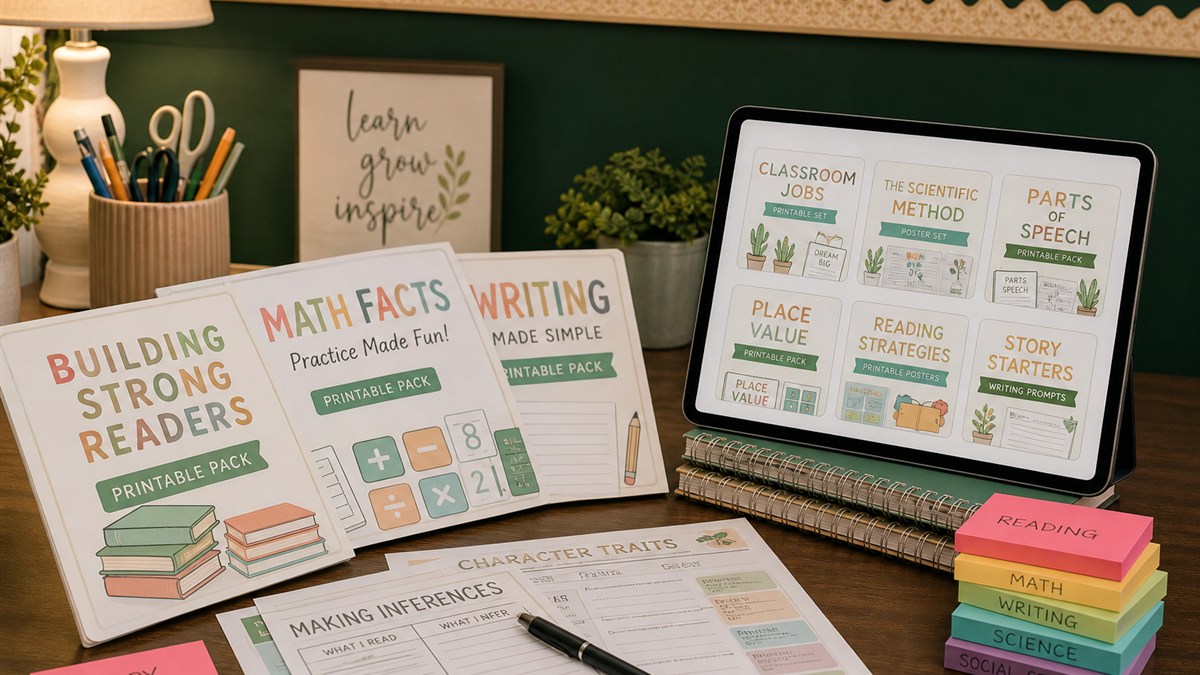
If you have ever searched for tpt, teachers pay teachers, or even typed teacherspayteachers late on a Sunday night, you already know the feeling: you need a solid lesson tomorrow, and you do not have three free hours to invent it. Educator marketplaces—often called teacher pay teachers platforms—exist for exactly that moment.
This guide explains why so many classrooms rely on a teachers pay teacher style store, what makes tpt teachers pay searches so common, and how to use ready-made materials wisely. We will talk about the marketplace idea itself—not a specific web address—so you can decide whether it fits your planning style.
What a teachers pay teachers marketplace actually is
At its core, a teachers pay teachers marketplace is a place where educators share and sell classroom materials they created for real students. Think lesson plans, centers, worksheets, unit bundles, and classroom visuals—resources built by people who already teach the same standards you do.
People find these shops under many spellings: teacherpayteacher, teacherpayteachers, teacher pay teacher, and the short form tpt. The names vary; the need is the same—lesson plans that inspire without eating your entire weekend.
Why TPT-style stores help busy teachers
1. They protect planning time
Save time teaching by starting with a draft that already works. A well-reviewed packet can become your Monday launch in minutes, then you adapt the examples, vocabulary, and pacing to your class. That is the practical promise behind most tpt and teacherspayteachers searches.
2. They expand what one teacher can offer
No single educator can design every engaging activity for every unit. Browsing a teacher pay teachers collection lets you borrow strengths from literacy specialists, math interventionists, and special education teachers without leaving your subject.
3. They support differentiation quickly
Need an easier version, a challenge extension, or a visual scaffold? Marketplaces often include leveled options in one purchase. For mixed-ability rooms, that flexibility is one of the biggest reasons teachers stick with teachers pay teachers tools year after year.
4. They make new standards less lonely
When a district adopts a new framework, searching tpt teachers pay for aligned practice pages can shorten the learning curve. You still teach the content—you simply do not reinvent every worksheet.
How teacherspayteachers resources fit a healthy planning system
Ready-to-teach resources work best as part of a system, not as a random pile of printables. Pair marketplace finds with a weekly plan (see our 60-minute planning guide) and clear classroom routines.
- Choose one unit goal before you shop—avoid collecting “cute” pages with no instructional home.
- Preview sample pages carefully; quality varies across any teacherpayteacher style store.
- Edit names, dates, and cultural references so the material feels like it belongs to your students.
- Store favorites in a labeled digital folder or binder tab so next year is faster.
- Balance purchased packs with your own warm-ups and formative checks.
Who benefits most from teacher pay teacher marketplaces
New teachers gain models of pacing and layout. Veterans save energy during heavy grading seasons. Specialists find targeted interventions. Even instructional coaches browse teachers pay teacher collections when modeling a strategy for a team.
Homeschool educators and tutors also use these marketplaces because the materials are modular: one lesson, one skill, one clear outcome.
Smart shopping tips for TPT and similar stores
- Read recent feedback. Look for comments about clarity, answer keys, and student engagement.
- Check grade bands honestly. A third-grade label may still need scaffolding for your readers.
- Prefer editable formats when you teach multilingual learners or need name customization.
- Watch for bundles if you will teach the same skill across a quarter—often better value than single sheets.
- Respect copyright. Marketplace materials are for your classroom use as stated by the creator; do not redistribute.
Common search terms—and what teachers usually mean
Educators type many variations when looking for help. You may see tpt, teachers pay teachers, teacherspayteachers, teacher pay teachers, teacher pay teacher, teacherpayteacher, tpt teachers pay, teacherpayteachers, and teachers pay teacher. In practice, almost all of those queries point to the same idea: classroom resources created by educators for every subject and grade.
How this connects to Save Time Teaching
Lesson plans that inspire still need a teacher’s judgment. A marketplace cannot replace relationships, formative assessment, or the way you redirect a restless Friday afternoon. What it can do is remove blank-page panic so you spend energy on delivery and feedback instead of formatting worksheets at midnight.
At TeachersAndLecturers, we share planning systems, routines, and printables that work alongside marketplace finds—so whether you build from scratch or adapt a teachers pay teachers pack, your week stays manageable.
FAQ
Is TPT only for elementary teachers?
No. Middle and high school educators also use teachers pay teachers style marketplaces for stations, writing prompts, lab warm-ups, and review games.
Can I use marketplace materials with district curriculum?
Yes—treat them as supplements. Align objectives to your pacing guide and skip pages that duplicate what your core program already covers well.
What if I cannot find exactly what I need?
Buy the closest skill pack and customize, or combine a short free sample with your own examples. Searching alternate spellings like teacherpayteachers or teachers pay teacher sometimes surfaces different creator listings.
Should new teachers buy everything?
Start small: one unit, one center set, one assessment. Learn what your students respond to before filling a drive with unused files.
Related reading

Lesson Planning
Plan a week of lessons in 60 minutes
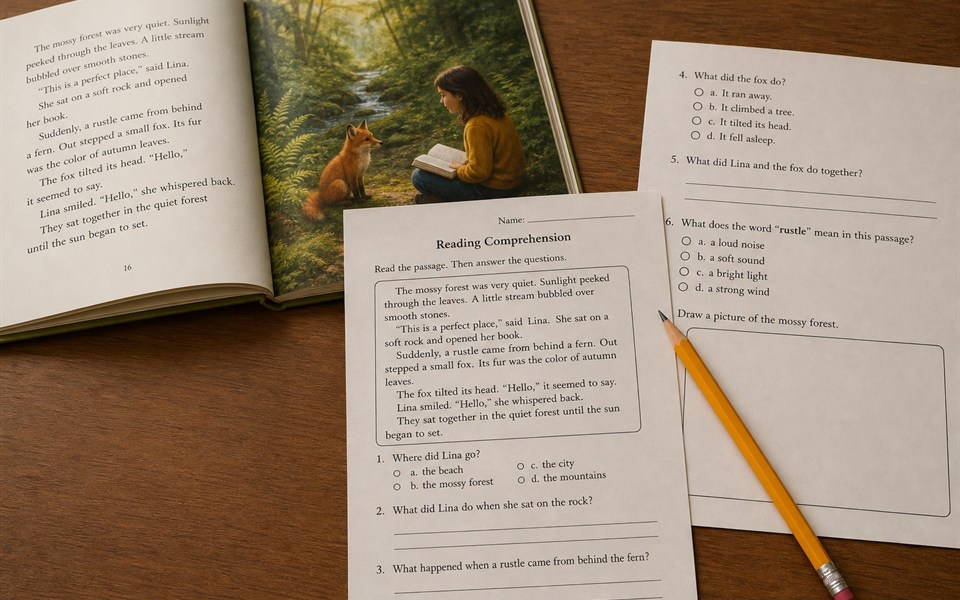
Worksheets
Main idea worksheets
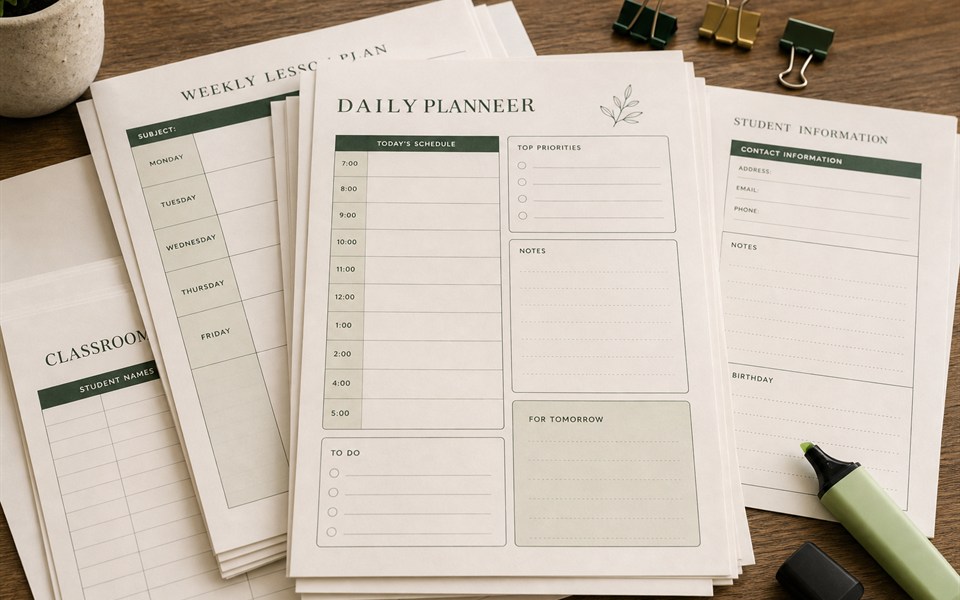
Printables